 46
46
FiveM vehicle
FiveM vehicle category
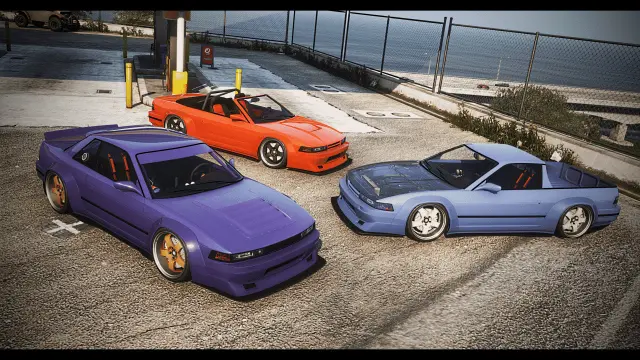
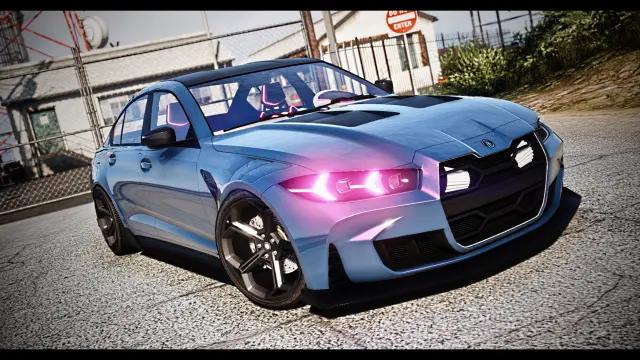
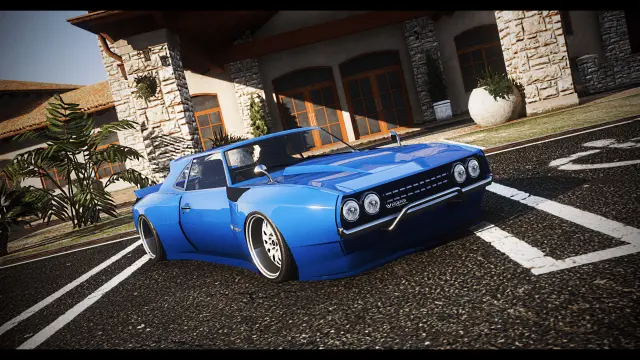
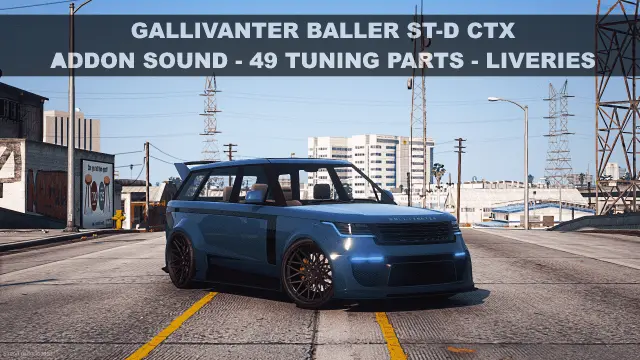
A car scene lasts when players have something to build, practice and compete for. This collection brings together purpose-built drift cars and visually tuned FiveM vehicles for mechanic shops, meets, street events and dealership progression.
Available now
46
 31
31
 33
33
 28
28
 05
05
 16
16
 39
39
 92
92
 91
91
 84
84
 47
47
 56
56
 61
61
 84
84
 56
56
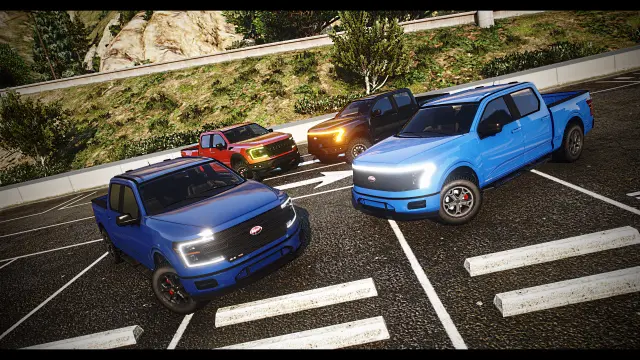
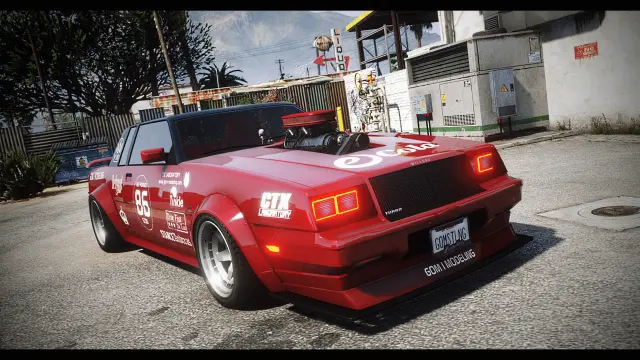
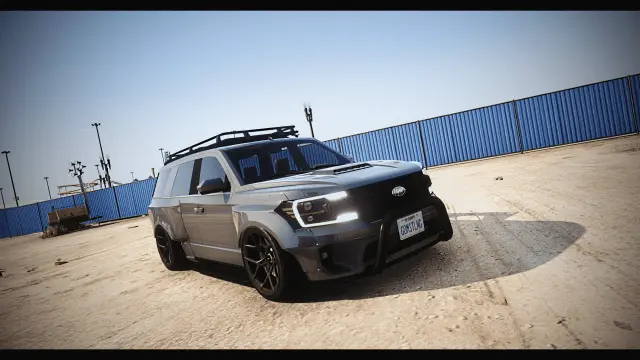
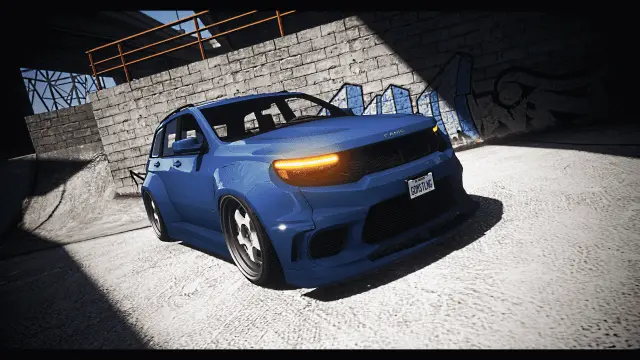
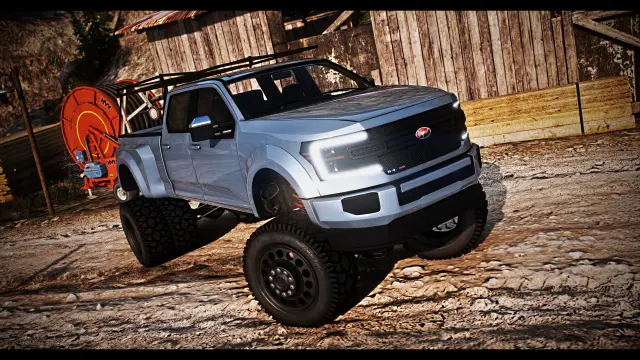
The Vapid Aleutian CTX is a lore-friendly custom pickup for FiveM, featuring a full bodykit, custom rims, paintable DRLs and a high-quality interior with working dials. Drops straight into your server.
 73
73
 02
02
 19
19
 91
91
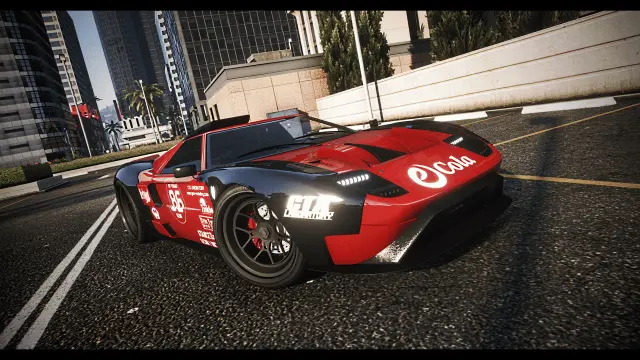
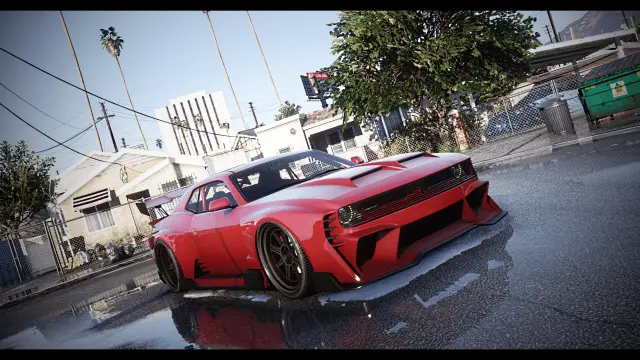
The Karin Terenowa CTX is a scratch-made, lore-friendly vehicle for FiveM with custom sound, a full bodykit, custom rims and paintable DRLs. Includes a detailed interior with working dials.
 15
15
 24
24
 16
16
 75
75
 14
14
A drift server, a city with occasional car meets and a serious economy server need different vehicles. Purpose-built drift cars should be controllable at angle and predictable in a tandem. Street-tuned cars need enough grip for normal traffic while still giving a mechanic shop useful upgrades to sell. Drag and show builds can be visually dramatic without belonging in the same performance class.
This category includes all three kinds of car, so treat the product description as the specification. A widebody, large wing or drift-style livery does not prove that a vehicle has drift handling. If the listing says street handling, plan for a street car. If it advertises a dedicated drift setup, test it as one before adding it to an event roster.
The car does not create the scene by itself. Give players formats they can understand and staff can run again. Tandem battles need a short judged route, a staging lane and a clear restart point. Touge events need traffic control and classes that stop the fastest car from deciding every result. Meets work better with awards for theme, detail or club identity than a single prize for the most expensive build.
Mechanic shops connect those events to the economy. Sell alignment, wheel, body and livery work as stages rather than giving every new purchase its final form. Keep a stock or lightly tuned class for new players, a street class for daily use and a competition class that is transported or restricted when appropriate. That creates progression without making ordinary traffic undriveable.
Vehicle resources are normally framework-independent. ESX, QBCore and Qbox become relevant when you add the spawn code, price and category to your dealership, garage, racing or mechanic resource. A custom tuning script must also understand the mod slots and extras used by the model, so confirm that workflow on a development server.
Install each resource in the server's resources directory and start it through server.cfg. Keep its supplied handling, vehicle, color and variation metadata together unless the documentation explicitly calls for a merge. If two resources conflict, check duplicate model names, handling names and modkit IDs before changing values at random.
Buy the car through the same dealership players use, store it, retrieve it, modify it, store it again and restart the server. Confirm that selected parts, colors and liveries persist. Then run a small meet with multiple variants nearby and watch client frame rate, audio overlap and texture loading. A tuned car is ready for production only when it survives both the driving test and the database loop.
Questions about Drift & Tuned Cars
No. The category includes dedicated drift builds as well as street-tuned, drag-style and show-oriented vehicles. Read the handling description on the individual listing and test the vehicle before putting it into a drift class.
The vehicle resource itself is normally framework-independent. Your framework matters when adding the spawn code, price and class to a dealership, garage, racing script or mechanic system.
Test steering lock, throttle response, transitions, braking and recovery from a slide on the route you plan to use. For tandem events, drive two or more copies together and check that the handling is predictable enough for close runs.
Many vehicles use standard GTA mod slots, while others place options under extras or custom categories. Check the listing and confirm that your menu can expose those options, then verify that selections persist through garage storage.
That depends on your economy and driving rules. Many servers keep street-safe tuned cars in public dealerships and place competition builds behind a mechanic, racing club or specialist showroom.
Look for LOD information and published YFT, YTD, texture and polygon figures, then test several fully customized cars in one location. A car meet is a better load test than one stock vehicle parked alone.