 59
59
FiveM vehicle category
FiveM Emergency Fleet
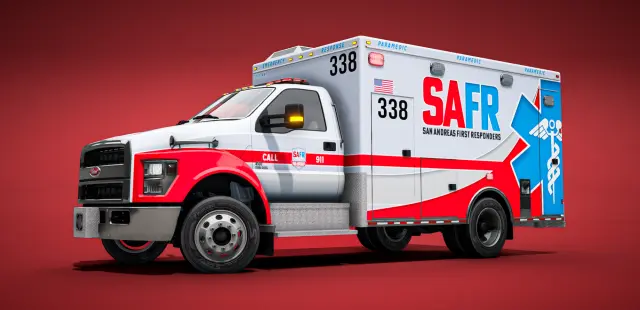
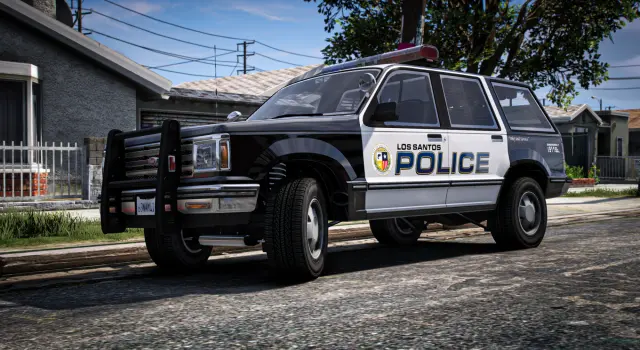
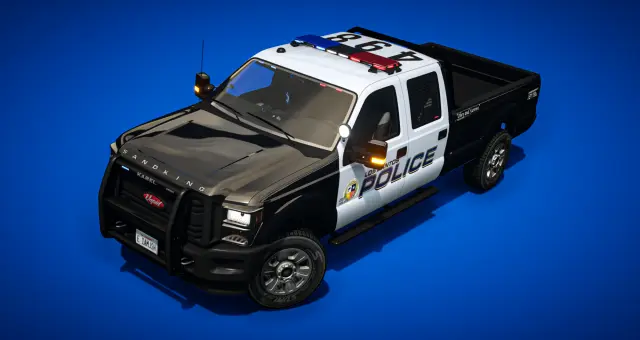
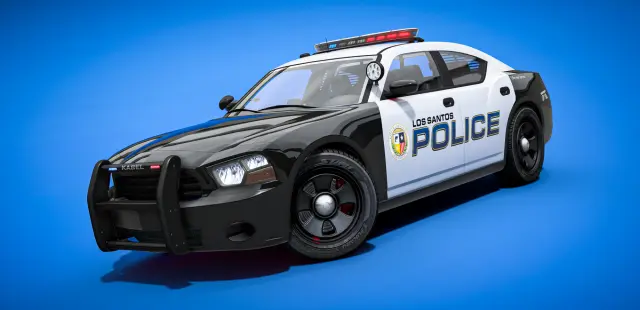
Emergency vehicles are operational tools before they are showroom pieces. Plan patrol, medical, rescue, utility and air roles as one response system, then test every light, seat, door, livery and job restriction through a real shift.
Available now
Vehicles in Emergency Fleet
59
 98
98
 03
03
 35
35
FiveM vehicle
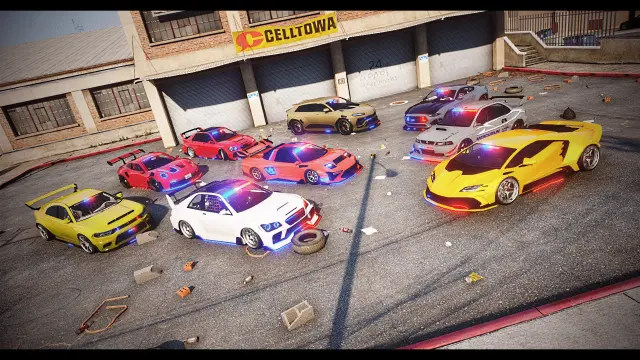
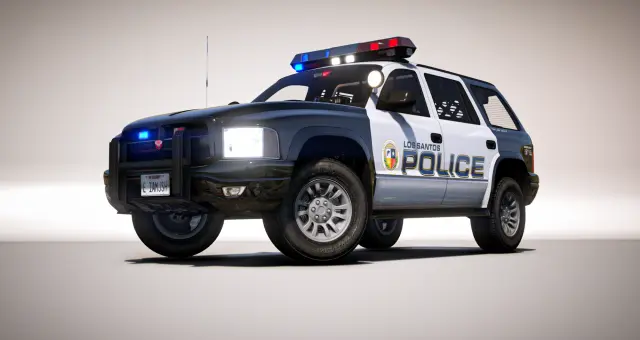
ONX Buffalo STX8 | Non-ELS Police Interceptor | Lore FiveM
The ONX Buffalo STX8 is a scratch-made Non-ELS FiveM police interceptor with 200+ tuning parts and a colorable callsign system. One modular model configures into LEO, EMS, DOC, Federal or Unmarked patrol units.
 84
84
FiveM vehicle
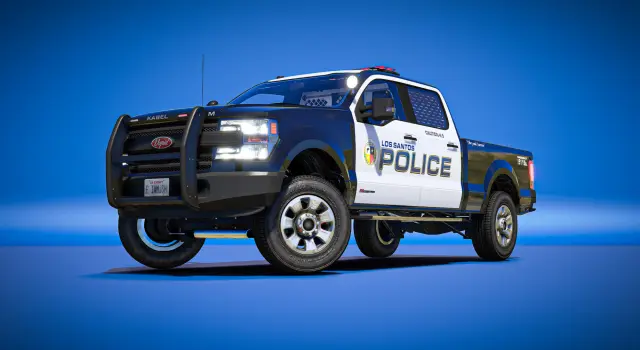
SLD Police Pack 1
 50
50
Sale
FiveM vehicle
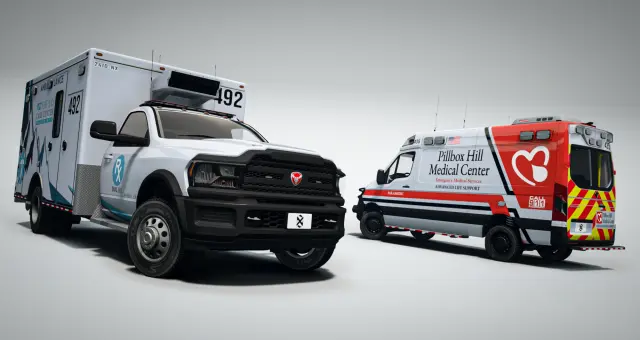
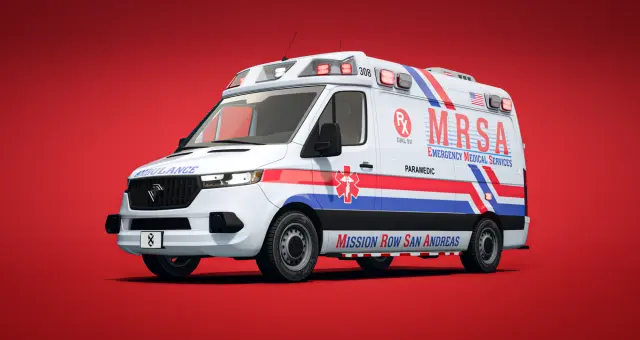
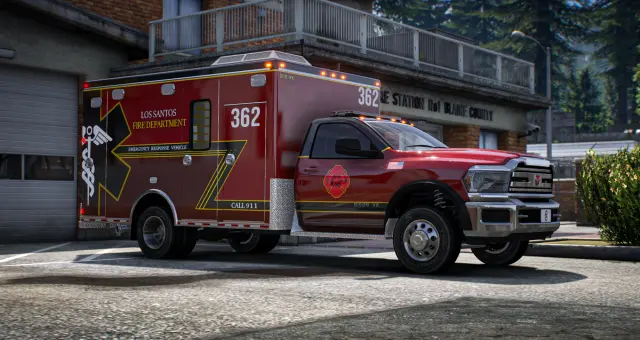
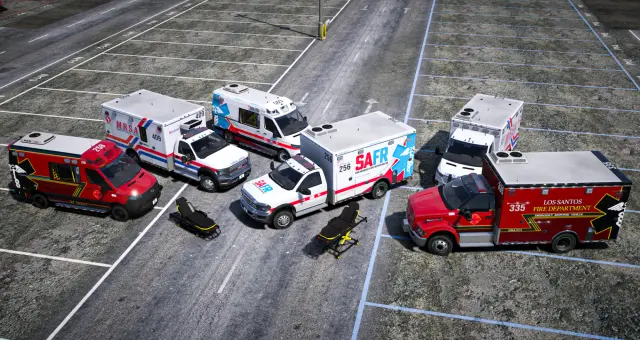
Non-ELS Police EMS Pack | EVP V2 with 25 Vehicles | FiveM
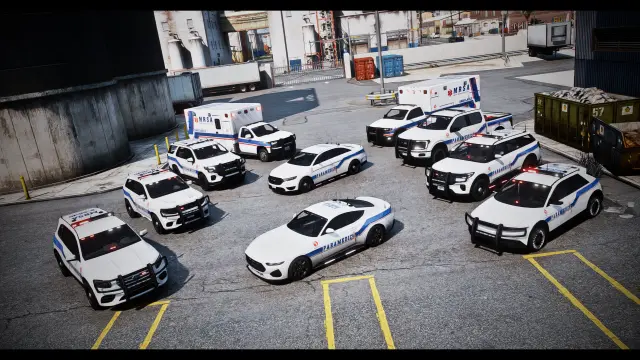
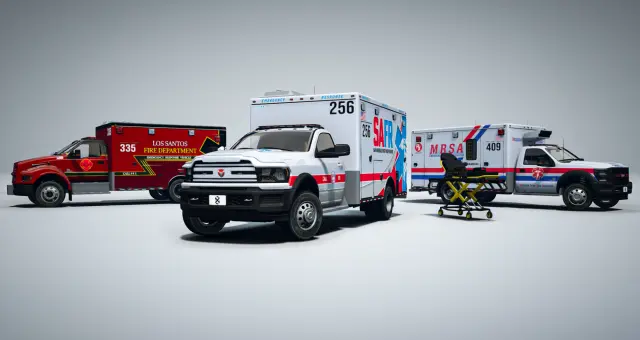
25 non-ELS police and EMS vehicles engineered as one fleet. Every unit pulls from the same parts library, so your patrol, K9, transport and ambulance lines all read as the same department.
 81
81
FiveM vehicle
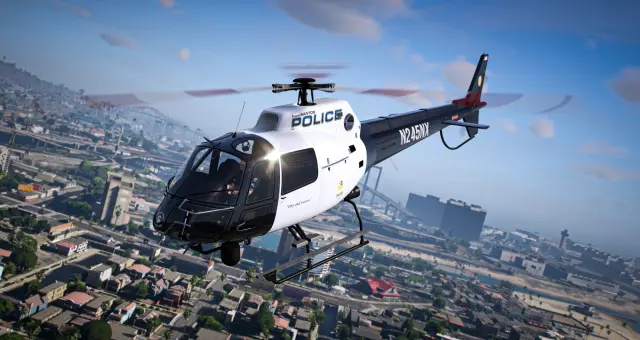
ONX Maverick BH700 | FiveM Police Helicopter Pack with Rappel
The ONX Maverick BH700 is a scratch-built FiveM police helicopter pack with rappel support, dynamic callsigns, and full EVP liveries. Two variants cover both patrol and tactical air missions from one package.
 09
09
FiveM vehicle
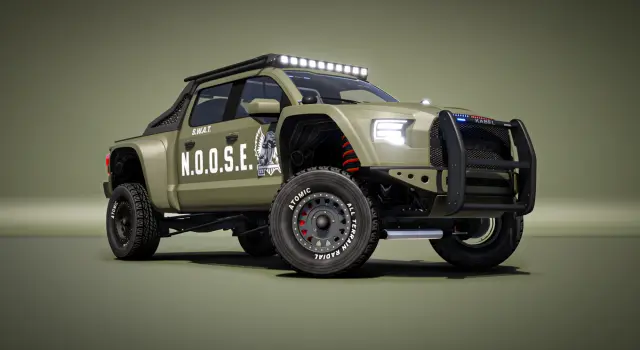
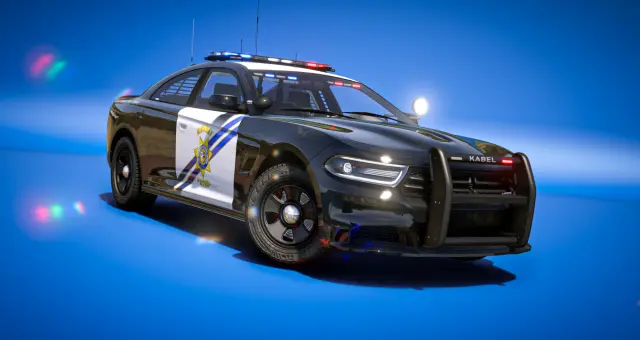
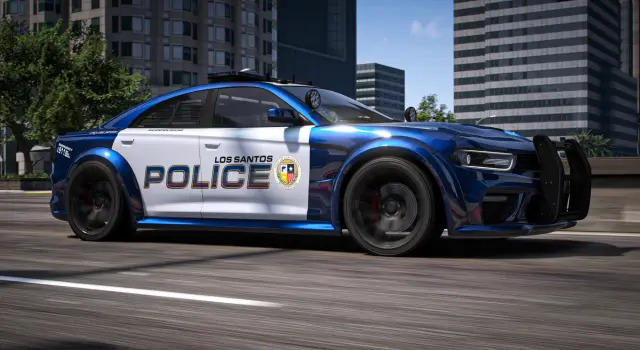
Vapid Caracara Raid | Lore-Friendly Police Interceptor | FiveM
Lore-friendly, scratch-made non-ELS police interceptor for FiveM - the Vapid Caracara Raid pursuit build with custom liveries, a working light setup, and seamless ONX fleet integration.
 01
01
 36
36
 85
85
 37
37
 86
86
 07
07
 51
51
Sale
 11
11
New
 30
30
Sale
FiveM vehicle
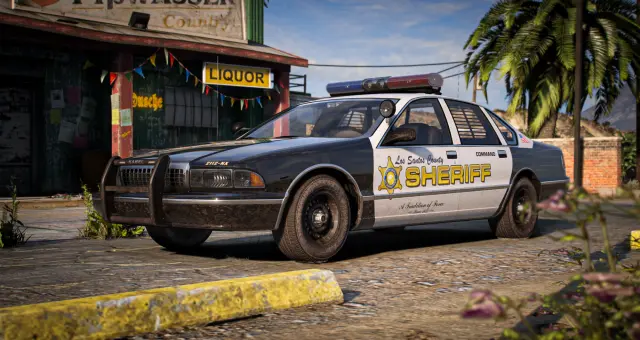
EVP V1 | FiveM Non-ELS Police Vehicle Pack | 40+ Lore-Friendly
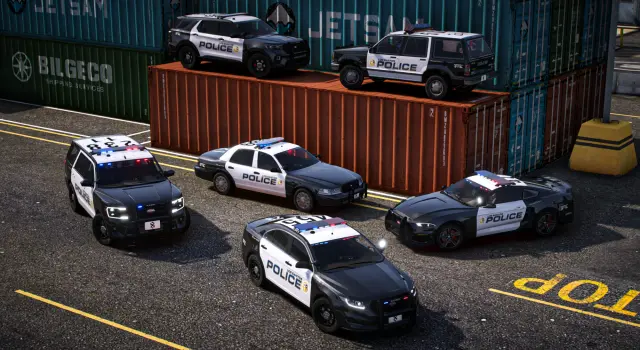
EVP V1 is a lifetime FiveM non-ELS police vehicle pack with 40+ lore-friendly LEO and EMS units. A universal parts system gives every department over 200 in-game customization options per vehicle.
 20
20
 58
58
 77
77
 42
42
 33
33
 93
93
Sale
 15
15
Design one response system
Police, EMS, rescue and air units meet at the same scenes, so their fleet decisions affect each other. A major collision may need patrol traffic control, a medical transport, a supervisor, a recovery vehicle and air support. Building those roles together exposes gaps that separate department shopping lists miss.
The Emergency Fleet category overlaps heavily with the Police and EMS collections because it is the combined planning view. Use it when you are standardizing several departments or replacing a mixed motor pool. If you only need one ambulance or one patrol car, the narrower category may be faster.
Map vehicles to staffed roles
Begin with the units your server can field every day. General police patrol and a dependable ambulance usually matter more than specialist equipment. Add supervisor, rural, transport, fire or rescue capacity around real call types. Add helicopters only when trained staff, dispatch policy and safe landing locations exist. An impressive vehicle with no staffed role becomes command-menu clutter.
Write an access matrix before deployment: department, rank, station, approved livery, equipment options and replacement cost. This keeps one highly configurable base model from exposing federal, corrections, medical and unmarked setups to every employee.
What to verify across the fleet
- Lighting and sirens. Confirm whether each unit is non-ELS or uses another controller, then standardize keys and patterns where possible.
- Visual identity. Liveries, lightbars, callsigns and numbering should distinguish agencies while still looking like parts of one emergency system.
- Seats and compartments. Test every patient, prisoner, crew and passenger position plus rear doors, cages and storage access.
- Medical and rescue features. A visible gurney, bed or equipment compartment needs compatibility with the scripts and procedures your staff actually use.
- Air operations. Check rotor clearance, seats, liveries, camera or rappel requirements and synchronization from the ground.
- Client load. Stage the number and mix of vehicles expected at a large scene and watch frame rate, texture loading and lighting behavior.
Balance availability and replacement cost
Job vehicles do not need a public sticker price, but they still need economic weight. Repair bills, department budgets, replacement cooldowns or supervisor approval can discourage disposable driving. The system should punish carelessness without keeping an understaffed department offline after one bad scene.
Performance also needs limits. General patrol units should manage normal pursuits, specialist interceptors should be restricted, and ambulances or rescue trucks should prioritize stability over speed. Test braking and collision recovery with a full crew, not only empty acceleration.
Framework integration
The streamed models generally work across ESX, QBCore and Qbox. Job grades, garages, keys, dispatch, fuel, society funds, inventory, stretcher systems and impound behavior come from the surrounding framework resources. Product pages should be checked for model-specific controllers and game-build requirements.
Register spawn codes by station and rank rather than placing the whole category into one shared menu. Keep configuration in version control where possible, and document any common resource that several vehicle packs depend on.
Run a multi-department acceptance scene
Test with at least two clients and, ideally, representatives from each job. Dispatch a call, spawn units from their normal garages, operate lights and sirens, load passengers or patients, use the relevant equipment, damage and repair vehicles, then store and retrieve them after a restart. Check every action from another player's view. A coordinated emergency fleet is ready when the whole scene works, not when each vehicle passes a separate spawn test.
Questions about Emergency Fleet
Quick answers
01What is the difference between Emergency Fleet and Police Vehicles?+
Police Vehicles focuses on law-enforcement units. Emergency Fleet is the combined planning category for police, EMS, rescue, utility and air assets that need to work together at shared scenes.
02Do emergency vehicles work with ESX, QBCore and Qbox?+
The models generally do, while job grades, garages, keys, dispatch, inventory and medical interactions come from framework-specific resources. Check each product for additional controllers or build requirements.
03Are the emergency vehicles non-ELS?+
Many police and medical listings are described as non-ELS, but the exact lighting setup varies. Verify each product and standardize controls before combining vehicles in one department fleet.
04How should I restrict emergency vehicles by rank?+
Create an access matrix covering department, grade, station, livery and approved equipment. Add only the appropriate spawn codes and configurations to each job garage rather than exposing the entire fleet.
05Do ambulance models include a working medical system?+
Not automatically. Doors, interiors or animated equipment are vehicle features; patient treatment, stretchers and hospital workflows may depend on separate scripts. Confirm compatibility with the EMS resources you use.
06How do I performance-test an emergency fleet?+
Recreate a large multi-unit scene with lighting active, several liveries loaded and multiple players nearby. Watch client frame rate and synchronization, then complete storage and restart tests for the configured units.