 80
80
FiveM vehicle
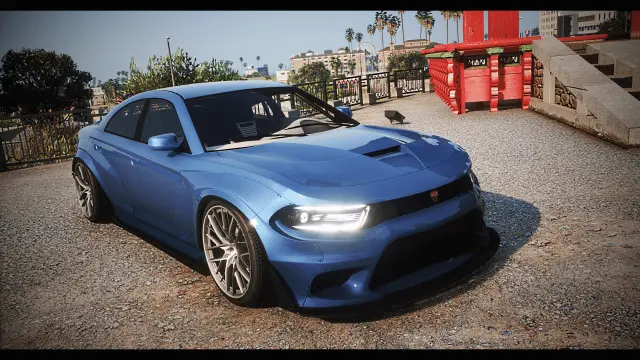
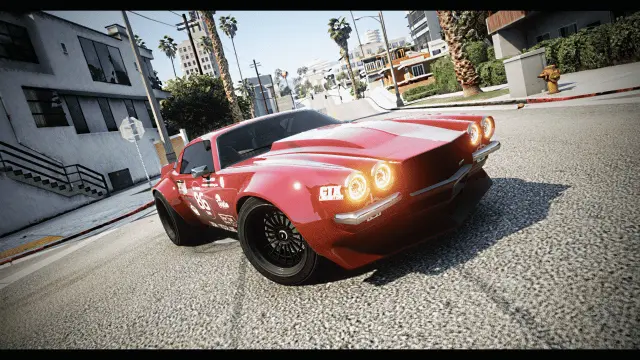
Bravado Buffalo Hellfire CTX
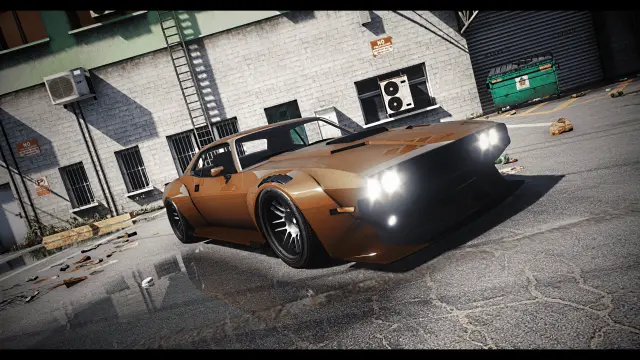
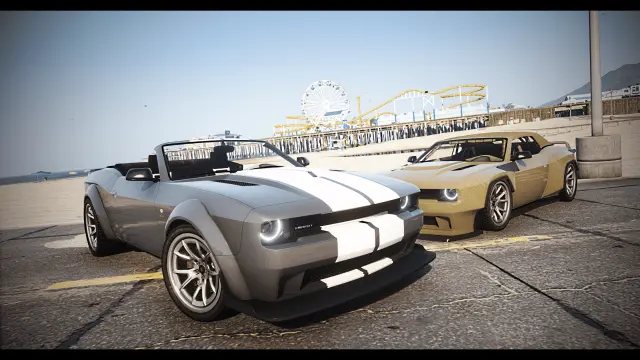
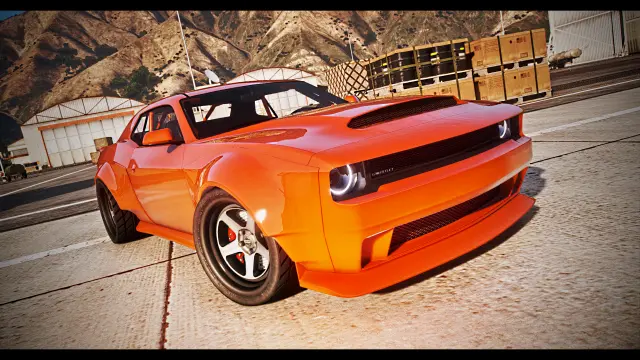
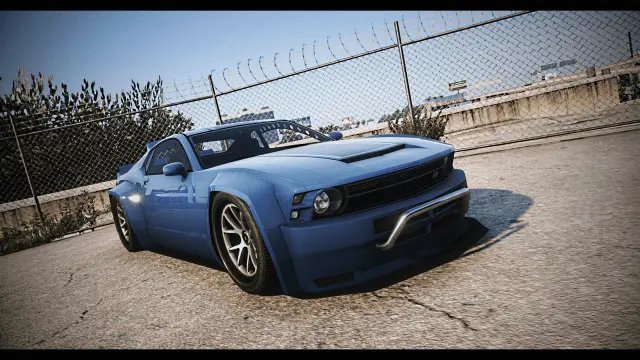
The Bravado Buffalo Hellfire CTX is a lore-friendly FiveM muscle car with a fully custom bodykit, custom sound by Legacy_DMC, tuned street handling and a high-quality interior.
FiveM vehicle category
Muscle and classic cars give a server history. Use them to create affordable project cars, collector tiers, period clubs and modern high-power upgrades without turning every older body into the fastest vehicle on the road.
Available now
80
The Bravado Buffalo Hellfire CTX is a lore-friendly FiveM muscle car with a fully custom bodykit, custom sound by Legacy_DMC, tuned street handling and a high-quality interior.
 65
65
 09
09
 35
35
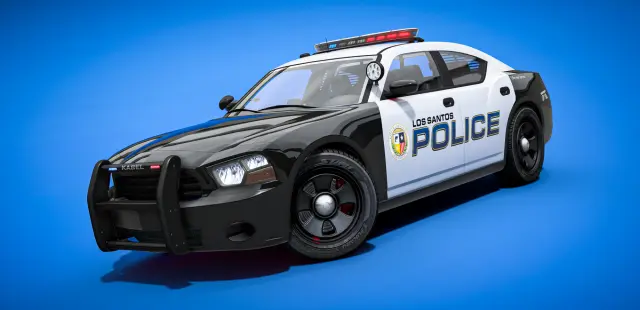
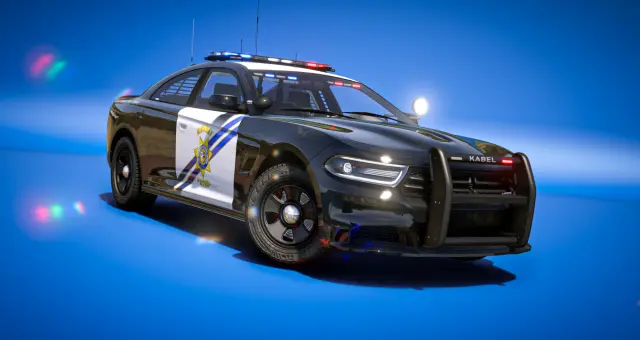
The ONX Buffalo STX8 is a scratch-made Non-ELS FiveM police interceptor with 200+ tuning parts and a colorable callsign system. One modular model configures into LEO, EMS, DOC, Federal or Unmarked patrol units.
 13
13
 62
62
 54
54
 89
89
 09
09
 75
75
 37
37
 12
12
 36
36
 58
58
 12
12
 01
01
 86
86
 79
79
 23
23
 47
47
 20
20
 35
35
 02
02
 31
31
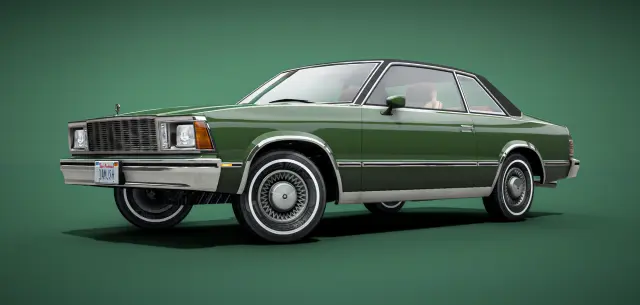
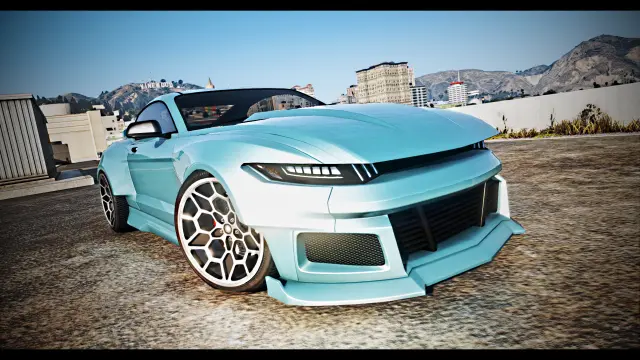
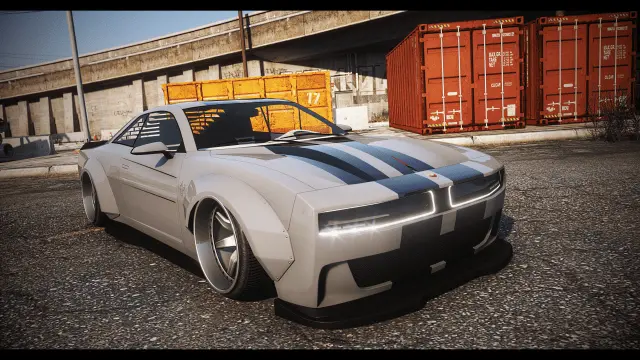
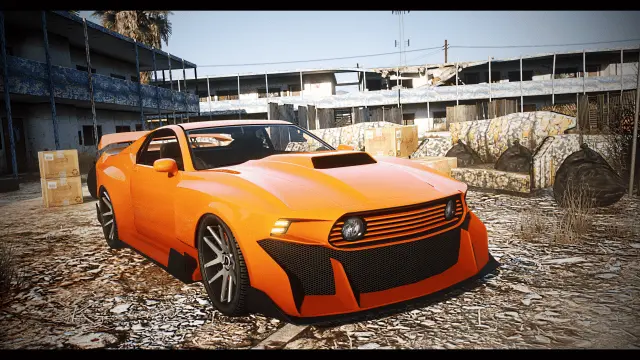
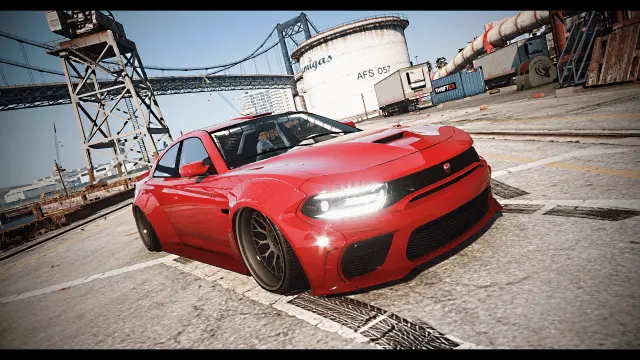
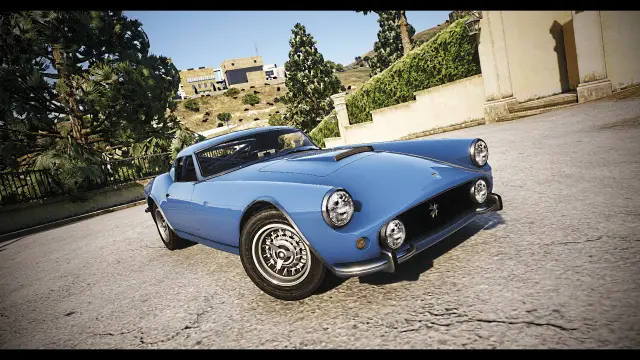
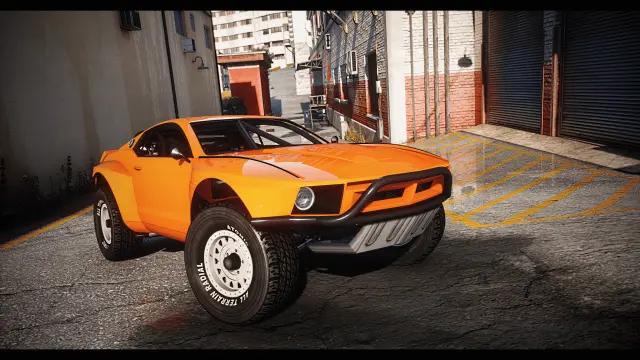
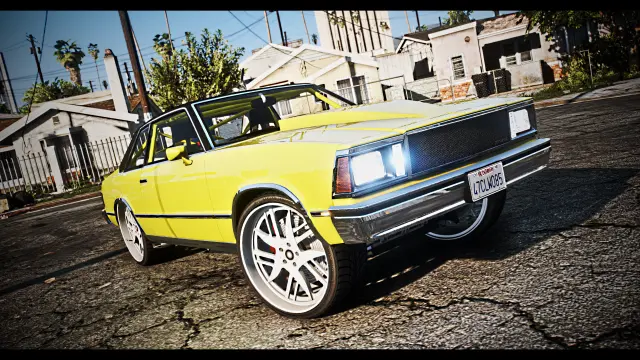
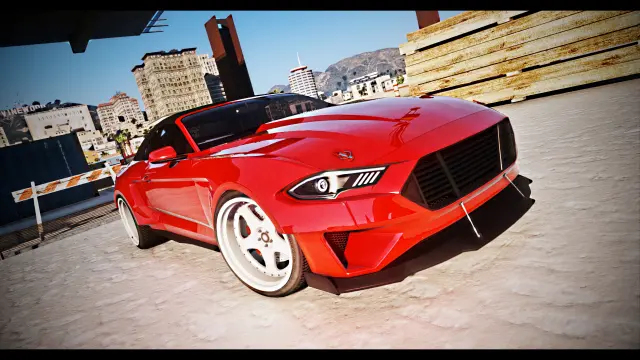
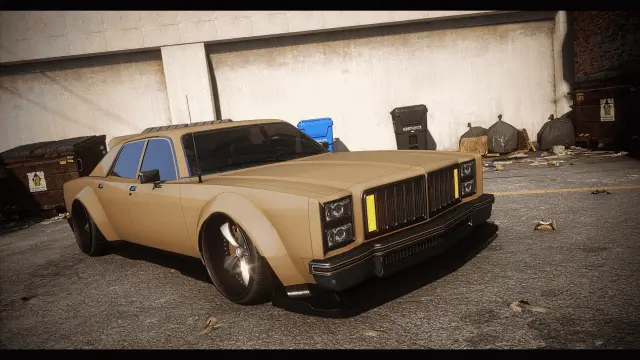
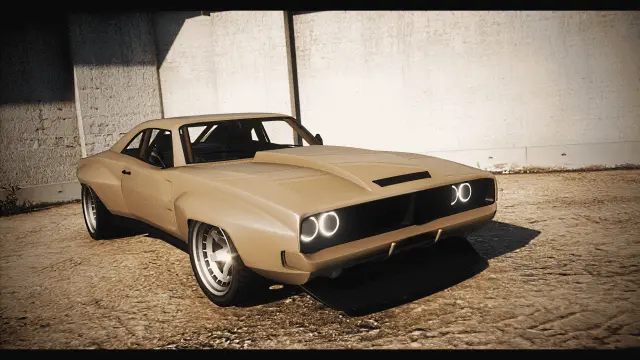
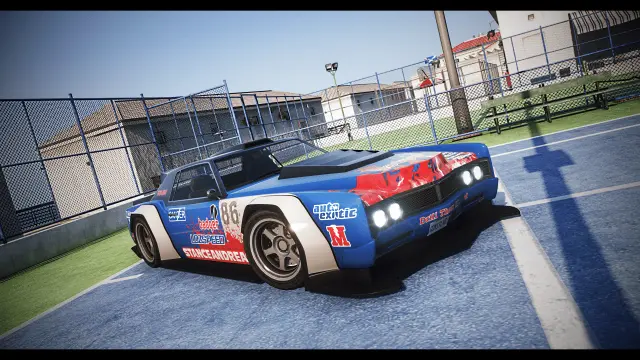
A classic car is not automatically slow, and a muscle car is not automatically a drag build. This collection spans older coupes and sedans, modern muscle, widebody and CTX variants, police versions and tuned street cars. The categories overlap because the visual lineage can stay the same while the role changes completely.
For server planning, split the cars by era and use before setting prices. An older daily driver can be an accessible project. A restored classic can sit in a collector tier. Modern muscle belongs with current dealership stock. Purpose-built drag, drift or police variants need their own restrictions. That structure keeps the category broad without making the economy arbitrary.
Muscle and classic cars work well when ownership is a process. Sell a basic version at a reachable price, then let mechanics earn from wheels, bodywork, suspension, engine sound and cosmetic restoration. If a listing contains many tuning parts, reveal them through shop tiers or parts availability rather than handing every player the final show build at purchase.
Collectors need different incentives from racers. Limited dealership rotation, auctions, club events and judged shows can create value without increasing top speed. Free vehicles in the collection can make useful entry projects, provided their performance and quality pass the same testing as paid assets.
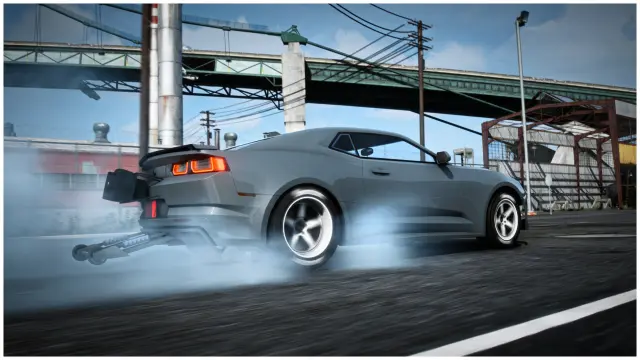
Measure drag or high-power builds separately from road cars. Acceleration that works for a quarter mile can be unpleasant in city traffic, and extreme grip removes the character players expect. Use event classes and access rules rather than retuning the whole civilian category around one specialist car.
Police muscle vehicles also need a defined role. They may fit highway, pursuit or heritage units, but should not silently replace general patrol. Test them against the civilian tier they are meant to pursue and document who can take them from the job garage.
Standard vehicle assets run independently of ESX, QBCore and Qbox. Your dealership, mechanic, garage and racing resources supply ownership and progression. Add each spawn code and price deliberately, and check extra requirements on the product page for custom features.
Complete a cold-start test, a city cruise and the event the car is meant to enter. Modify it, save it, restart and retrieve it. Listen from inside and outside with several vehicles present. Check that body parts remain aligned during steering, damage and suspension movement. The result should feel like a car with a past and a place in the economy, not only a nostalgic shell with modern supercar numbers.
Questions about Muscle & Classics
The category spans classic coupes and sedans, modern muscle cars, tuned and CTX variants, police models and some packs. Read each listing for its era, handling and exact package contents.
Standard add-on cars are generally framework-independent. Register their spawn codes in your dealership, garage, mechanic and racing systems as needed.
Price around condition or build tier, customization, rarity and measured performance. An accessible project car, completed restoration and specialist race build should not all enter the economy at the same point.
Some are, but the category label alone does not guarantee drag handling. Test acceleration, braking and stability, and keep specialist drag builds in an event class separate from road cars.
Check lore and era fit, interior quality, working dials, body alignment, handling character, addon sound and customization. LOD and texture performance still matter when several cars attend a meet.
They can if their performance and equipment fit your policy, but many servers use them as restricted highway, pursuit or specialist units. Test them against civilian tiers before assigning rank access.