 06
06
FiveM vehicle category
FiveM Police Vehicles for a Fleet Officers Can Run
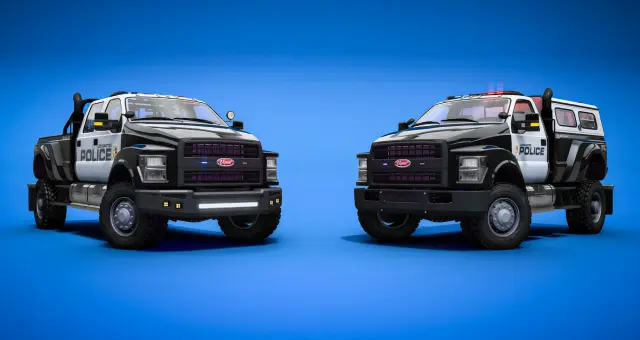
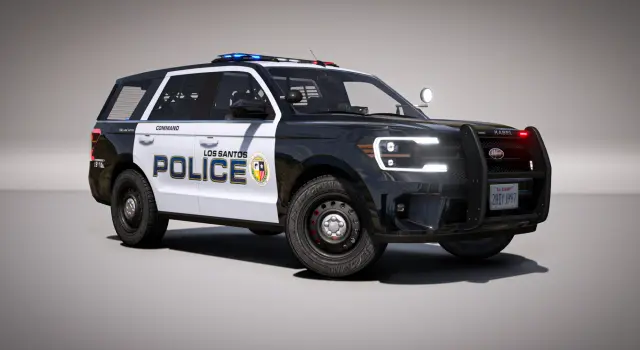
A police fleet works when officers recognize each vehicle's role, approved equipment and limits before a call starts. Choose a consistent patrol base first, then add pursuit, utility, rural and specialist units only where staffing and gameplay justify them.
Available now
Vehicles in Police Vehicles
06
 46
46
 10
10
 02
02
 97
97
FiveM vehicle
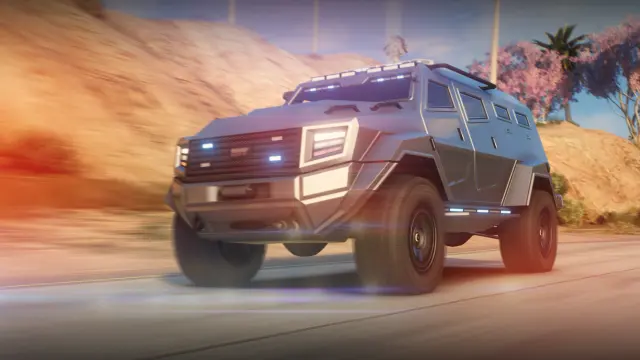
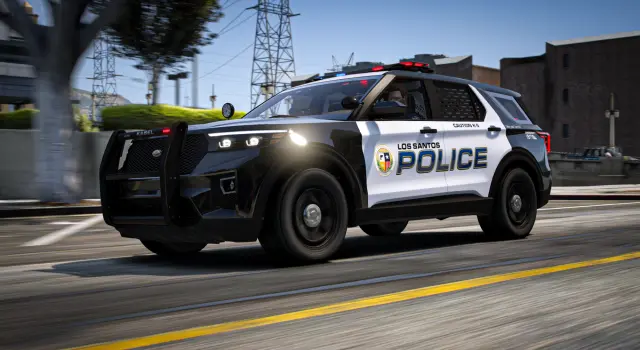
ONX Vapid Scout Police Interceptor | Lore-Friendly Non-ELS FiveM
The ONX Vapid Scout is a scratch-made, lore-friendly Non-ELS FiveM police interceptor with 200+ tuning options and 50+ interior loadouts. A performance-optimized patrol unit ready for LSPD, LSSD or SAHP departments.
 32
32
New
 30
30
 93
93
FiveM vehicle
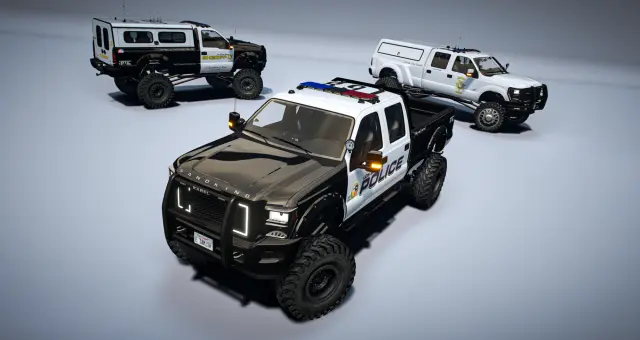
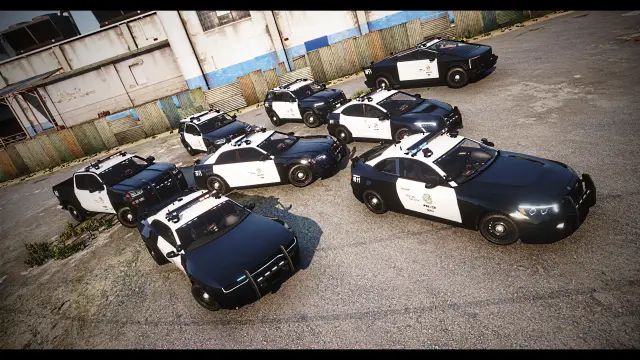
Police Pack 1
Build the department from patrol outward
General patrol is the center of a police fleet. It should be stable, easy to drive for a full shift and available in enough approved configurations for normal officers, supervisors and traffic work. Once that base works, add vehicles for defined gaps: an SUV or pickup for rural calls, a faster interceptor for limited pursuit use, transport or tactical capacity, a motor unit, and air support if the department can staff it.
More models do not automatically create better police roleplay. A small, readable fleet makes vehicle policy, training and livery control easier. It also tells civilians what kind of unit has arrived without requiring them to memorize dozens of unrelated cars.
Decide on the lighting system first
Many police listings in this catalog are described as non-ELS. Non-ELS vehicles do not use the classic ELS vehicle configuration workflow, but that does not mean every lighting feature is dependency-free. Custom pattern controllers, lightbar categories or game-build features can still be required. Read the exact listing and test the controls with the siren and interaction resources already on your server.
Avoid mixing lighting methods casually. If one part of the fleet needs a different controller and key layout, officers discover the difference during pursuits. Document start order, controls and approved patterns as part of the vehicle rollout.
What to inspect before deployment
- Role and performance. Class vehicles as patrol, pursuit, utility, transport or command. Tune within the class instead of making every unit equally fast.
- Liveries. Confirm the included agencies, template availability and whether custom designs map cleanly at normal viewing distances.
- Extras and mod slots. Test lightbars, cages, consoles, push bars, antennas, storage and unmarked options through the menu officers will use.
- Callsigns. Check entry, color, persistence and synchronization from another client's view if the vehicle supports configurable identifiers.
- Seats and access. Test every advertised seat, rear door and compartment, especially on transport, K9, tactical and medical configurations.
- Stream budget. Police cars carry equipment and multiple liveries. Test a realistic station lineup, not one empty vehicle.
Balance pursuits for roleplay
Police need a credible chance to continue a pursuit, not a guaranteed win. Measure patrol cars against the civilian tiers they most often encounter. A normal unit should be capable but not faster than every specialist sports car. Restricted interceptors can cover the top end with policy, training or supervisor approval.
Braking stability, damage behavior and predictable handling matter more than headline top speed. Officers drive in traffic, stop repeatedly and make contact under pressure. A vehicle that wins a straight line but rolls at the first curb creates worse scenes for both sides.
Framework integration and testing
The vehicle models usually run independently of ESX, QBCore and Qbox. Your framework and job scripts control garage access, ranks, keys, armory integration, impound and persistence. Add each spawn code only to the ranks and locations that should receive it, and keep civilian or decommissioned variants separate where appropriate.
Run a two-client acceptance test. Spawn from the job garage, select every allowed option, operate lights and sirens, change callsigns, fill the seats, damage and repair the unit, store it and retrieve it after a restart. Watch the same actions from the second client. Only then add the model to a live shift roster.
Questions about Police Vehicles
Quick answers
01Are the police vehicles in this category ELS or non-ELS?+
Many current listings are explicitly non-ELS, but lighting requirements vary by product. Check the individual page for companion controllers, game-build requirements and exact setup instructions.
02Do FiveM police vehicles work with ESX, QBCore and Qbox?+
The models normally do. Framework-specific work is adding them to police job garages, rank permissions, keys, fuel, impound and persistence systems.
03How many police vehicles does a department need?+
Start with a dependable general patrol model and add vehicles only for staffed roles such as rural patrol, pursuit, transport, motors or air support. A clear small fleet is usually easier to train and administer than many overlapping units.
04Can I add custom department liveries?+
It depends on the product. Look for included templates and livery support, then test your design on every body panel and LOD before deploying it.
05How should police cars be balanced against civilian cars?+
Measure them on the same route and prioritize braking, stability and sustained pursuit over extreme top speed. Keep high-performance interceptors restricted so ordinary patrol vehicles do not invalidate the civilian catalog.
06What should I test on a non-ELS police vehicle?+
Test lighting stages, siren controls, extras, callsigns, liveries, seats and synchronization with a second client. Complete a garage storage and restart cycle to confirm the approved configuration persists.