Ask ten server owners how many cars they run and you will hear numbers from 40 to 1,400 - and the 1,400-car city almost always drives worse. A good fivem vehicle catalog is not a flex of how many packs you bought; it is a designed progression where every car has a price, a purpose and a place on the ladder. This is how to build one that players actually climb instead of skipping straight to the fastest thing in the dealership.
How many cars does a FiveM vehicle catalog actually need?
For a 64-128 slot RP server, 150-250 well-chosen vehicles is the sweet spot. Below 100 the city feels samey within a month; above 300 you start paying real costs in stream memory, dealer UI clutter and handling chaos. A workable split looks like this:
- Compacts and beaters (15-20%): the $4,000-$15,000 cars new players grind toward. They should be slow, slightly ugly and full of character.
- Sedans, SUVs and utility (25-30%): the daily-driver middle class, plus vans and trucks that jobs actually use.
- Sports and muscle (20-25%): the $80,000-$250,000 aspirational tier where most long-term grinding ends.
- Supercars and exotics (10% max): deliberately scarce. If a third of your catalog runs 0-100 in under three seconds, none of it feels special.
- Emergency, motorcycles, off-road and service (the rest): often forgotten, constantly seen on the street.
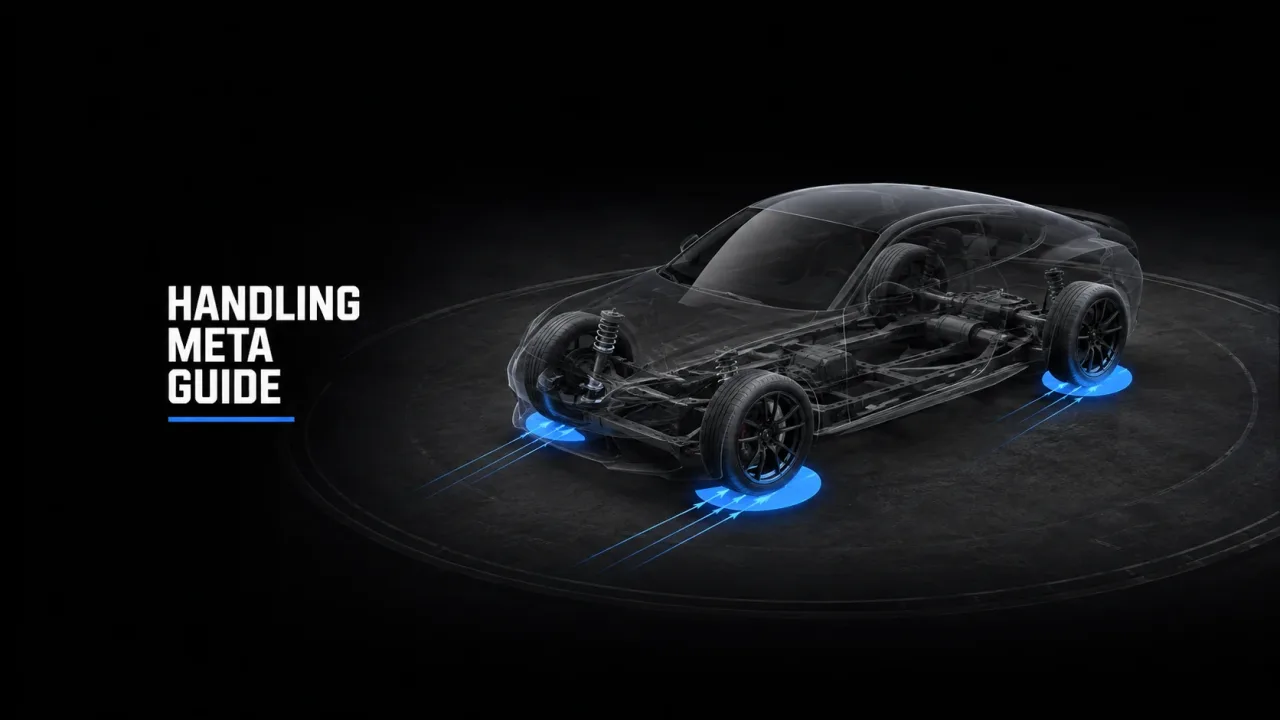
Handling.meta sanity: the numbers that matter
Most “this car feels broken” complaints trace back to three values. Audit every import before it goes live:
- fInitialDriveMaxFlatVel: keep your fastest endgame car around 240-260 km/h actual top speed. Anything pushing 320+ breaks police chases, desyncs at OneSync range boundaries and makes every other purchase pointless.
- fBrakeForce: imports routinely ship at 1.5-2.0 when vanilla supercars sit around 1.0-1.2. A car that stops instantly from 200 km/h is just as immersion-breaking as one that cannot stop at all.
- fTractionCurveMax/Min: values above roughly 3.0 produce the “on rails” feeling that lets a sedan out-corner an Italian exotic. Spread traction across tiers so driving skill matters.
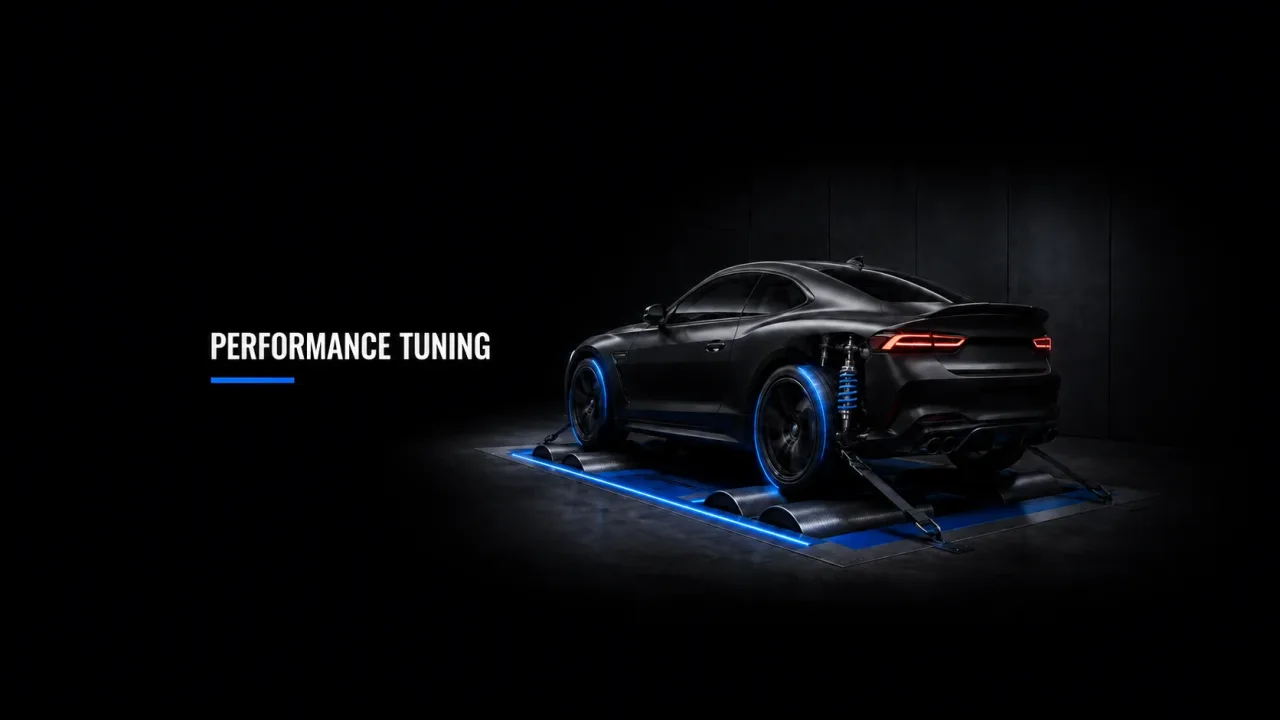
Spend an evening with a stopwatch and a straight stretch of highway: log 0-100 times and top speeds for every car, drop them in a spreadsheet, and fix the outliers. Two hours of testing prevents six months of “buff my car” tickets.
Tier ladders: from first beater to endgame
Price the ladder against income, not vibes. If your average legal job pays $1,200/hour, a sensible progression is: first beater within 3-5 hours of play, a respectable mid-tier car at the two-week mark, a sports car at month one or two, and the top-shelf exotic as a 3-6 month goal (or a rare event prize). Each rung should be roughly 2.5-4x the price of the one below it and measurably better - faster, sure, but also better braking, better traction, better sound. When tiers overlap in performance but not price, players notice within days and your economy credibility goes with it. Stores like Tebex categorize packs by class and tier, which makes filling a specific gap - “I need three more mid-range coupes” - far easier than buying another 50-car megapack and hoping.
Recommended lore-friendly vehicles for your server
Avoiding power creep in a FiveM vehicle catalog
Power creep happens one purchase at a time: each new DLC drop is 5% faster than the last “fastest car” because faster sells. Defend against it with a hard ceiling - write down your maximum allowed top speed, acceleration and braking numbers, and edit any new import that exceeds them before release. New cars should slot into existing tiers, not create a new tier above everything. If you want hype without creep, release sideways: a new look, a new engine note, a different drivetrain feel at the same performance level. Curated single-class bundles from buy-tebex.io are useful here because you can fill a tier in one purchase instead of inflating the top end.
Polygon budgets and streaming cost
Every car you add is a tax on every player’s FPS. Set a budget and enforce it: roughly 100,000-200,000 polygons for a standard vehicle and under 300,000 even for a hero exotic, with 60-80 MB as a hard cap per .yft after texture optimization. A single unoptimized 400 MB rip can hitch lower-end clients harder than ten clean lore-friendly models. Check LODs too - a car with no LOD models renders at full detail from 200 meters away, multiplied by every instance on the street. If your city’s downtown drops players below 40 FPS, your catalog is usually the first suspect, and the fix pairs well with broader map optimization from properly built MLOs like those at assets-tebex.io.
Retire cars seasonally
A catalog is a living roster, not a museum. Every 8-12 weeks, pull dealership sales data: cars with near-zero purchases in a full season are dead weight in memory and menus. Rotate 10-20 of them out (existing owners keep theirs - now it is rare), and bring 10-15 in. Seasonal rotation creates urgency (“last week before the roster swap”), keeps stream weight flat instead of ever-growing, and gives you a steady drumbeat of content announcements without spending more.
The servers with the best car scenes are never the ones with the most cars. They are the ones where a kid in a $6,000 beater can look at a $400,000 exotic at a meet and know exactly how long the climb is - and believe the climb is worth it. Build the ladder first; the catalog follows.